
Our ExpertiseThalassemia
We specialize inThalassemia
Thalassemia is an inherited blood disorder that originated in the Mediterranean region.
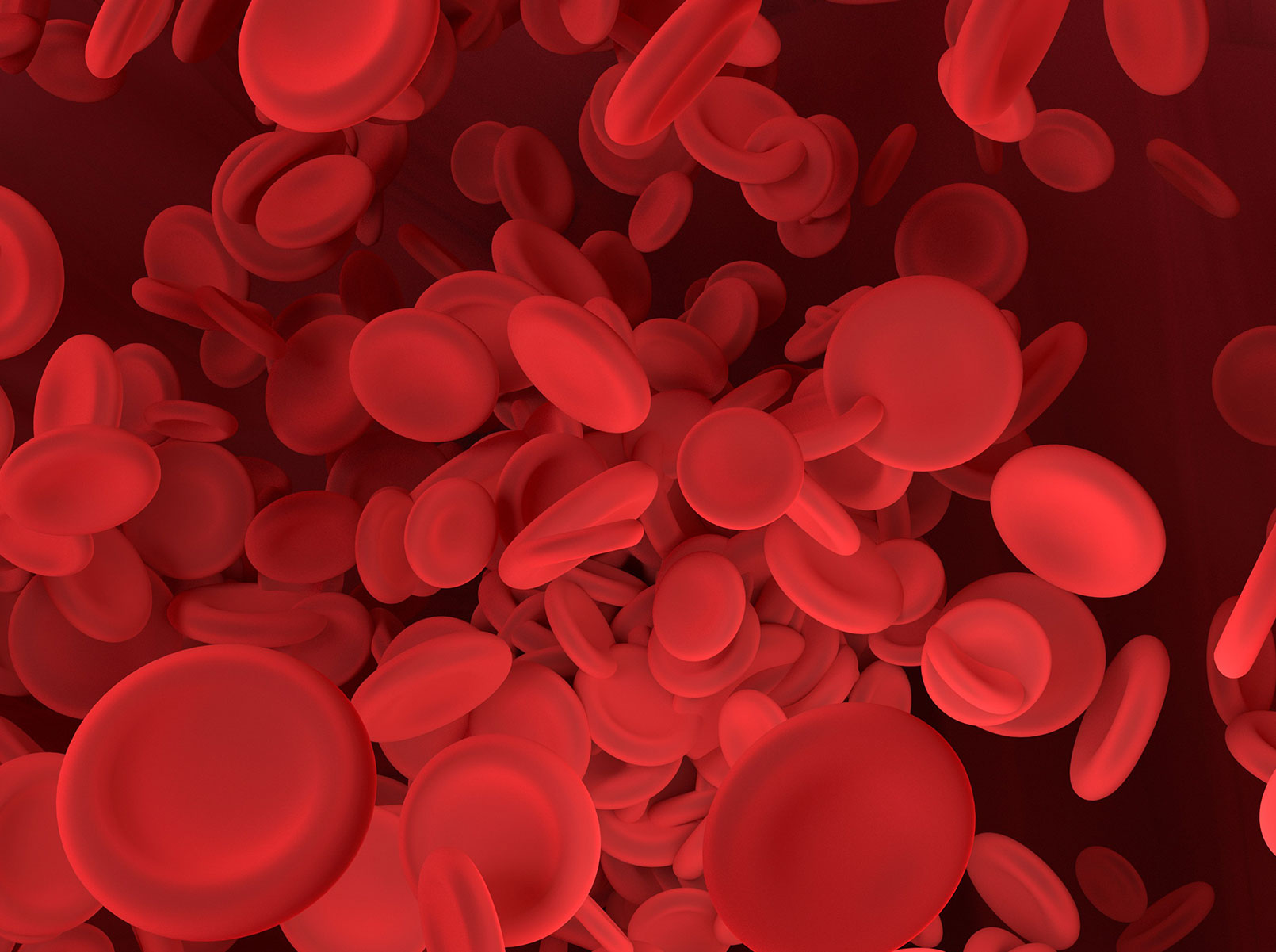
Thalassemia is an inherited blood disorder that causes the body to have less hemoglobin than normal. Hemoglobin is the protein molecule in red blood cells that carries oxygen. The disorder results in excessive destruction of red blood cells, which leads to anemia.
Anemia is a condition in which the body doesn’t have enough normal, healthy red blood cells. There are two main forms of thalassemia that are more serious, alpha and beta. In alpha thalassemia, at least one of the alpha globin genes has a mutation or abnormality. In beta thalassemia, the beta globin genes are affected.
If only one of the patient’s parents is a carrier for thalassemia, he/she may develop a form of the disease known as thalassemia minor. If this occurs, he/she probably won’t have symptoms, but he/she will be a carrier.
If both of the patient’s parents are carriers of thalassemia, he/she have a greater chance of inheriting a more serious form of the disease.
LOCATION & GENETICSWhere is it most common
The two major forms of the disease, alpha- and beta-, are prevalent in discrete geographical clusters around the world.
Alpha is prevalent in people of Western African and South Asian descent. It is nowadays found in populations living in Africa and in the Americas. It is also found in Tharu in the Terai region of Nepal and India.
Beta thalassemia is particularly prevalent among Mediterranean people, and this geographical association is responsible for its naming: Thalassa (θάλασσα) is Greek for the sea, Haema (αίμα) is Greek for blood.
In Europe, the highest concentrations of the disease are found in Greece, coastal regions in Turkey, in particular, Aegean Region and Mediterranean Region, in parts of Italy, in particular, Southern Italy.
The major Mediterranean islands (except for the Balearics) such as Sicily, Sardinia, Malta, Corsica, Cyprus, and Crete are heavily affected in particular.




Products
Our products offer a safe solution for treatment and a better quality of life.


© 2021 DK Medical. All rights reserved